
Fake Doctor Degree, PhD: Risks, Replica Uses, and How to Avoid Diploma Mills

A fake doctor degree, particularly a PhD or doctorate of philosophy, encompasses a range of intentions and risks—from harmless display replicas to serious fraudulent credentials. This guide is designed for anyone considering a fake doctor degree in the academic or professional research fields, whether for display, curiosity, or other reasons. Understanding the risks and legalities is crucial because misuse can lead to severe legal penalties, career-ending consequences, and damage to academic integrity. Whether you’re seeking a legitimate replacement or simply curious about this shadowy market, you’ll find clear answers here.
Key Takeaways
-
A harmless replica doctorate degree is intended for display or backup purposes, while a fake PhD credential used for employment, academic enrollment, or professional recognition is illegal and can result in criminal charges in many countries.
-
Buying a novelty diploma is generally legal in most jurisdictions, but presenting it as genuine to obtain benefits crosses into fraud, sometimes prosecuted under forgery laws with sentences up to 10 years.
-
The Axact scandal (2013–2015) exposed a global operation selling over 200,000 fake degrees, including doctorates in various academic disciplines, with buyers facing investigations and extortion attempts years later.
-
Replica doctorate diplomas cannot be verified through official systems like the National Student Clearinghouse, cannot include real university seals or forged signatures, and must never be used as proof of academic qualifications.
-
Later sections cover acceptable uses for replicas, red flags of diploma mills, and a FAQ addressing common questions about fake doctorate degrees.
Summary of Main Risks and Consequences of Using a Fake Doctor Degree
Warning: The Risks of Using a Fake Doctor Degree
Using a fake doctorate degree can lead to significant legal penalties, job loss, reputational damage, and harm to the integrity of academic and professional communities.
The use of fake academic credentials undermines public trust and the credibility of legitimate educational institutions and professionals.
Discovery of a fake PhD often results in termination of employment, loss of professional licenses, and exclusion from academic or research positions.
Presenting fraudulent academic qualifications can lead to criminal charges, including fraud and forgery, with potential fines and imprisonment.
Using a fake degree to apply for employment or academic programs constitutes fraud by misrepresentation.
If someone is caught using a fake doctorate degree, they can face serious legal and professional consequences.
Who Typically Looks for a Fake Doctorate Degree?
The term “fake doctorate degree” covers a broad spectrum of intentions. People search for these documents for reasons ranging from innocent display needs to serious misrepresentation that could harm employers or academic institutions. Understanding these different user profiles helps clarify why this topic requires nuanced discussion rather than blanket condemnation.
Lost or Damaged Diploma Holders
-
Academics and professionals who lost or damaged their original PhD diploma: Many individuals who legitimately earned a doctorate simply want a replica for their office or home after the original was destroyed or misplaced. They have no intention of using it for verification—they just want something to display.
Collectors and Hobbyists
-
Collectors and hobbyists: Some customers purchase novelty “PhD” diplomas as gag gifts for birthdays, retirements, or as props for creative projects. These buyers are explicit that the documents are non-official entertainment items.
Life Experience Degree Seekers
-
Professionals tempted by “life experience” offers: Individuals with extensive work experience sometimes see ads promising an “instant PhD based on life experience.” While appealing, these offers often lead to diploma mills and serious professional risk. Life experience doctorate degrees are awarded based on experiential knowledge rather than traditional academic training. Programs offering degrees solely on "life experience" without rigorous coursework are often scams.
Fraudulent Credential Seekers
-
People seeking to misrepresent their qualifications: A smaller but risky group actively seeks fake doctorate degrees to gain employment, promotions, or academic positions without legitimate study. This is illegal, unethical, and can result in imprisonment and professional bans.
Replacement Seekers
-
Replacement seekers frustrated by bureaucratic delays: Some graduates find that obtaining an official replacement from their university takes weeks or months. A replica serves as a temporary display piece while they navigate official channels.
Now that we've explored who seeks these documents, let's examine the crucial differences between legal replicas and fraudulent credentials.
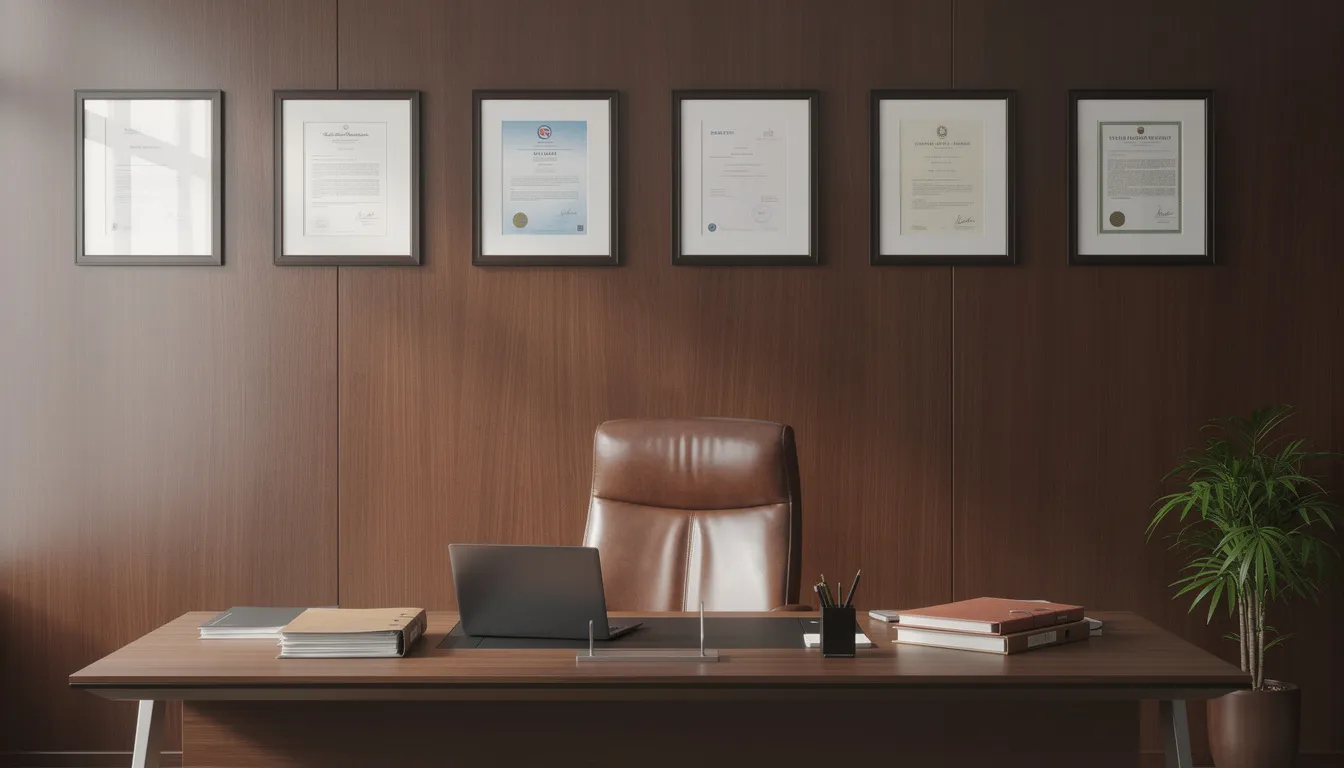
Replica Doctorate Degree vs. Fraudulent Fake Doctorate Degree
The distinction between a replica and a fraudulent fake degree is not merely semantic—it’s the difference between a legal purchase and a criminal act. Understanding this boundary protects both your career and your freedom.
What is a Replica Doctorate Degree?
A replica doctorate degree is a non-official copy of an academic doctorate certificate created for personal use. A replica or novelty diploma is a non-official copy designed to mirror a legitimate PhD or other doctoral diploma that a person has already earned. Replica PhD diplomas are supplied for personal, novelty, or display use only and hold no legal, academic, or professional standing. They are intended solely for display, backup, or decorative purposes and make no claim to grant actual qualifications.
What is a Fraudulent Fake Doctorate Degree?
A fraudulent fake doctorate degree is sold as if it confers a real academic title without any accredited study. It’s designed to deceive employers, academic institutions, or regulatory bodies into believing the holder earned credentials they never achieved.
Trademark and Seal Restrictions
Legitimate replica services must not use protected trademarks, authentic seals, or real administrator signatures from institutions like Harvard University, Oxford, or MIT. Diploma authenticity and security features exist precisely to prevent this kind of misuse. Using these elements without authorization crosses legal boundaries.
Diploma Mill Connections
Fraudulent fake degrees are often linked to unaccredited “universities” registered in offshore jurisdictions. During the 2010s, shell schools in Panama, the Caribbean, and other regions mass-produced documents that looked official but represented no actual education.
Life Experience Doctorate Degrees
Life experience doctorate degrees are awarded based on an individual's experiential knowledge rather than traditional academic training. Programs offering degrees solely on "life experience" without rigorous coursework are often scams.
Legal Consequences
While a lawful replica is decorative and explicitly labeled as such, a fake credential presented as real constitutes fraud. In many countries, this can be prosecuted under forgery, consumer protection, and misrepresentation laws, with penalties including fines, dismissal, and imprisonment.
With these definitions in mind, let’s look at how to obtain a legitimate replica doctorate degree if you truly earned your credentials.
How to Obtain a Legitimate Replica Doctorate Degree
If you truly earned your doctorate degree, getting a replica or replacement is usually straightforward—though the official process can be slow. Here’s how to navigate both official and legitimate replica routes.
Official University Replacement
-
Contact the registrar’s office: Your first step should be reaching out to your university’s registrar or alumni department. This typically means calling during regular office hours and requesting their diploma replacement process, following standard procedures to get a copy of your diploma.
-
Prepare for paperwork: Official replacements often require notarized identity documents, proof of graduation, and a written request. Some universities also require you to submit a police report if the original was stolen.
-
Timeline and costs: Expect the process to take several weeks to months depending on the institution. Replacement diploma timelines vary, and fees can range significantly—typically between about $15 and $100 or more per replacement diploma as of 2024. Some universities only issue replacements during specific times of the year.
Legitimate Replica Services
-
Verification of legitimate use: Ethical replica providers require you to confirm that you actually earned the degree or that you’re using the document for lawful purposes like display or props. They do not create documents intended to deceive.
-
Customization options: Reputable services offer customization including paper size (such as the standard 11x14 doctoral layout), Latin text, gold foil accents, and quality paper stock. However, they will not include real university crests or actual signatures.
-
Digital proof approval: Before printing, legitimate providers send a digital proof for your approval. This file allows you to verify all details—your name, field of study, graduation date—before committing to the final product.
-
Clear labeling: Ethical vendors explicitly label items as “novelty,” “replica,” or “unofficial.” They make clear in their terms of service that these documents cannot be used for employment verification or academic licensing.
Once you have your replica or replacement, it’s important to understand the strict legal boundaries that govern their use.
Limitations and Legal Boundaries of Fake Doctorate Degrees
The law draws a hard line between display pieces and documents used to gain benefits through deception. Understanding these boundaries is essential for anyone considering a replica or researching this market.
|
What Replicas Cannot Do |
Legal Consequence |
|---|---|
|
Be added to verification databases (National Student Clearinghouse, HEDD UK) |
Document flagged as invalid |
|
Include authentic university seals or watermarks |
Trademark infringement claims |
|
Be used for job applications or CVs |
Termination, blacklisting |
|
Support academic program applications |
Criminal charges, fines, imprisonment |
|
Satisfy visa or immigration requirements |
Deportation, visa denial |
-
Verification system exclusion: Replica degrees cannot be registered with official verification platforms. Employers and universities conducting due diligence will find no record of credentials that don’t exist in legitimate academic databases, which is why understanding diploma authenticity, risks, and safe uses is so important.
-
How to verify a legitimate degree: To verify degrees and attendance records, one can use organizations like the National Student Clearinghouse. Legitimate universities must be accredited by recognized national bodies to ensure program legitimacy. To ensure legitimacy, one should verify that an educational institution is accredited by a recognized agency.
-
Trademark and copyright constraints: Vendors who copy exact university seals, watermarks, or official templates from institutions like Harvard University risk legal action for trademark infringement.
-
Employment and immigration fraud: Using a fake PhD to secure a job, academic admission, or immigration status can lead to immediate dismissal, substantial fines, and criminal charges. The risk simply isn’t worth any potential benefit.
-
Professional ethics obligations: Universities, research institutions, and employers are obligated to verify credentials. When colleagues or employers discover misrepresentation, careers are permanently damaged.
Concrete example: In 2017, a European university dismissed multiple staff members after an internal audit uncovered fake doctorates. The employees faced not only job loss but also formal reports to academic councils, effectively ending their careers in academia.
With these limitations in mind, let’s look at a real-world example of how fake doctorate degrees have been abused on a global scale.
Real-World Case Study: Axact and the Global Fake Degree Trade
The Axact scandal represents one of the most extensive diploma mill operations ever uncovered, illustrating exactly how dangerous the fake doctorate degree market can become for everyone involved.

The Scale of the Operation
Axact, a Pakistan-based company, built a massive diploma mill empire in the early 2010s. Investigations around 2015 revealed the company had sold over 200,000 fake degrees worldwide, including thousands of bogus doctorates in various academic disciplines. The operation generated revenue estimated in the hundreds of millions.
How the Scheme Worked
-
Fictitious online universities: Axact created hundreds of fake “universities” with names deliberately similar to real schools. These websites featured stock photos, fake faculty lists, and fabricated accreditation claims.
-
Life experience promises: The company promised fast degrees based on “life experience,” requiring no coursework, exams, or thesis. Prices ranged from a few hundred dollars to tens of thousands for premium packages with transcripts and verification letters.
-
Global reach: BBC reporting documented that more than 3,000 fake UK qualifications were sold in 2013–2014 alone. Buyers included academics, researchers, and employees at major organizations.
The Fallout
-
Legal consequences: Axact’s CEO was arrested in 2015, and a senior manager was sentenced in 2017. Multiple country-specific investigations followed.
-
Buyer exposure: While many buyers claimed they already held genuine qualifications and purchased fakes as “backups,” others faced police investigations and disciplinary hearings for misuse.
-
Extortion attempts: Perhaps most disturbing, reports emerged of ongoing extortion attempts where former buyers were threatened with public exposure unless they paid additional money—effectively blackmail based on their original purchase.
This case demonstrates how a simple Google search for a fake doctorate degree can entangle buyers in long-term security, legal, and financial risks that far outlast any perceived benefit.
Next, let’s clarify what uses of replica doctorate degrees are acceptable and which are not.
Acceptable and Unacceptable Uses of Replica Doctorate Degrees
The line between harmless novelty use and illegal fraud is clear once you understand it. Here’s a practical breakdown of what’s permitted and what crosses into criminal territory.
Acceptable Uses
-
Decorative wall displays: Framing a replica in your home office or study when you already hold a legitimate PhD and simply want an attractive display piece.
-
Film, theatre, and photography props: Using replicas in creative productions where no one is misled about the document’s authenticity.
-
Gag gifts: Purchasing a novelty “PhD” diploma as a birthday joke for a friend, clearly presented as humorous rather than legitimate.
-
Personal backup: Keeping a replica while your original diploma remains in secure storage or while waiting for an official replacement.
Unacceptable Uses
-
Job applications: Never submit a replica or fake degree with employment paperwork. Employers conduct background checks and will verify your qualifications.
-
Academic admissions: Universities verify prior degrees before granting admission to advanced programs.
-
Visa or immigration paperwork: Immigration authorities cross-reference documents with issuing institutions. Fake credentials lead to visa denial or deportation.
-
Professional licensing: Academic or professional boards require official transcripts and verifiable credentials.
-
Academic display: Even placing a replica PhD on an office wall where colleagues or clients reasonably assume it’s official can be considered deceptive and potentially illegal.
Transparency requirement: If you display a replica, you should still be able to produce official transcripts or verification upon request from employers, academic institutions, or regulators. The replica supplements—never replaces—legitimate documentation.
Now that you know what’s allowed, let’s learn how to spot and avoid diploma mills when searching for a fake doctorate degree.
How to Spot and Avoid Diploma Mills When Searching for a Fake Doctorate Degree
A diploma mill is an entity that sells degrees with little or no study, often masquerading as an accredited university. Learning to identify these operations protects your money, your career, and your freedom.

Red Flags to Watch For
Common Warning Signs
-
“PhD in 7 days” promises: No legitimate academic program works this fast
-
Degrees solely from “life experience”: Real universities require study and assessment
-
Pressure tactics and urgent discounts: Legitimate institutions don’t use sales techniques
-
Vague or offshore contact addresses: Schools registered in the British Virgin Islands or similar jurisdictions raise immediate concerns
-
Names similar to real universities: Diploma mills deliberately mimic prestigious school names
-
No verifiable accreditation: Claims of “state authorization” that don’t check out
Verification Steps Before You Buy
Steps to Verify Legitimacy
-
Check accreditation claims: Verify any accreditation with official bodies like the US Department of Education, CHEA, or the UK’s list of recognized awarding bodies. Don’t trust badge graphics on the website itself.
-
Research the institution name: Search for the school name along with terms like “diploma mill” or “scam.” Existing reports often surface quickly.
-
Look for faculty information: Real universities list actual faculty with verifiable credentials and research histories. Diploma mills typically show stock photos or no faculty information at all.
-
Examine payment methods: Requests for large upfront wire transfers, cryptocurrency-only payments, or refusal to provide detailed invoices are major red flags.
-
Request documentation: Legitimate services provide clear invoices showing the product is a novelty or replica item. If they won’t put “novelty” in writing, walk away.
-
Check contact details: Can you call a real phone number and speak to a person during business hours? Does the address correspond to an actual office?
-
Review refund policies: Legitimate businesses have clear refund policies. Mills often have vague or nonexistent consumer protections.
If you’re feeling stuck between costly multi-year study and tempting “shortcuts,” consider the following ethical alternatives.
Ethical Alternatives to Buying a Fake Doctorate Degree
If you feel stuck between costly multi-year study and tempting “shortcuts,” legitimate pathways exist that can validate your expertise without the legal and reputational risk of fake degrees.
Professional Certifications
For many fields, recognized professional certificates carry significant value with employers:
-
IT: Cisco certifications, AWS credentials, CompTIA qualifications
-
Project Management: PMP (Project Management Professional)
-
Finance: ACCA, CFA, CPA designations
-
Research and academia: Certified research methodologies, teaching credentials
These programs require earning credentials through examination and continuing education, providing real achievement that stands up to verification.
Accredited Online and Part-Time Doctorates
Real universities now offer flexible doctoral programs designed for working professionals:
-
PhD (Doctor of Philosophy): Offered in many academic disciplines, often through part-time or online formats
-
DBA (Doctor of Business Administration): Designed for business professionals
-
EdD (Doctor of Education): For education specialists and administrators
These programs take years rather than weeks, but the resulting qualifications are genuine and verifiable.
Prior Learning Assessment Programs
Some accredited universities offer portfolio-based assessment that grants academic credit for documented work experience and professional training. While you still need to meet academic standards and complete additional coursework, these programs can significantly reduce time to completion.
Honest Professional Branding
For researchers, consultants, and academics, consider building your reputation on actual expertise rather than purchased titles. Terms like “specialist,” “consultant,” “researcher,” or “expert” accurately describe your role without misleading anyone about academic credentials.
The bottom line: Genuine qualifications require more time and investment, but they avoid the legal, financial, and reputational damage that fake degrees inevitably bring.
Let’s wrap up with answers to the most common questions about fake doctor degrees.
FAQ
Is it ever legal to buy a fake doctorate degree?
Answer
In many countries, it is legal to purchase a novelty or replica document for personal display, film props, or humorous gifts, as long as you never use it to mislead anyone about your actual academic qualifications. The illegal act typically begins when the document is presented as genuine to obtain employment, academic admission, professional licenses, or immigration benefits. Regulations vary significantly between jurisdictions—what’s tolerated in one country may be prosecuted in another—so checking specific national and state laws is essential before making any purchase.
Can a fake doctorate degree be detected by employers or academic institutions?
Answer
Reputable employers, universities, and licensing authorities conduct thorough credential verification. They contact universities directly, use platforms like the National Student Clearinghouse or Higher Education Degree Datacheck, and request official sealed transcripts. Discrepancies in dates, program names, accreditation status, or institutional details are common ways fake degrees are discovered during background checks. Once exposed, the consequences typically include immediate dismissal, internal documentation that follows you to future positions, and potential legal referral.
What happens if I already used a fake doctorate degree in the past?
Answer
Anyone who has previously used a fake academic credential should seek independent legal advice from a qualified attorney in their jurisdiction immediately. Consequences vary widely depending on how the document was used—from quiet termination of employment to formal disciplinary hearings or criminal prosecution. The recommended course of action is to stop any further use immediately, gather all legitimate education records, and prepare to correct any misstatements on CVs, professional profiles, or applications before the misrepresentation is discovered externally.
Are “life experience” doctorates from unaccredited schools ever respected?
Answer
Most employers, universities, and professional bodies only recognize doctorates from accredited institutions with clear admission standards, academic requirements, and legitimate assessment processes. Unaccredited “life experience” doctorates are generally viewed as misleading or deceptive, particularly if the holder uses the “PhD” title in academic, research, or professional settings. If recognition of extensive experience matters to you, consider accredited programs that formally evaluate prior learning while maintaining genuine academic standards—these provide value without the risk of being labeled fraudulent.
How can I safely display my real doctorate degree without risking loss or damage?
Answer
Frame your original diploma using UV-protective glass and position it away from direct sunlight, humidity, or temperature fluctuations that can cause fading and warping over years. Store certified copies and official transcripts in a secure location such as a fireproof safe or bank safety deposit box. For everyday display in multiple locations, a high-quality replica or professional scan can serve as a substitute while your original remains protected. Additionally, periodically confirm that your credentials remain verifiable through your university’s official channels, ensuring future employers or academic institutions can easily confirm your genuine qualifications.
Ready to Celebrate Your Achievement?
Whether you’re looking for a high-quality replica doctorate degree for display, a thoughtful gift, or a backup copy of your original diploma, Hey Congrats is here to help. Our expert team ensures every replica is crafted with precision and care, providing you with a beautiful keepsake that honors your hard work and dedication.
Don’t wait—choose your preferred template, customize your details, and get started today!
Order Your Replica Doctorate Degree Now
Have questions or need assistance? Our friendly support team is ready to guide you every step of the way. Contact us anytime for personalized help.


