
What Is a Diploma and Why It Matters

Quick answer: What is a diploma?
A diploma is an official document your school or district issues when you meet graduation requirements. Employers, colleges, and licensing boards rely on registrar-issued records—not decorative copies—for verification.
Need an official duplicate? Start with your high school registrar, district records office, or state education department. For GED credentials, use GED.com or your state’s authorized provider.
Display copies only: If you want a personalized, non-official keepsake for framing, a gift, or permitted prop use, browse high school diploma display sets or GED display copy options. Hey Congrats products are not school-issued and cannot be used for employment, admissions, or verification.
A diploma is a document awarded by an educational institution testifying that the recipient has graduated by successfully completing their courses of studies. Understanding what a diploma is—and why it matters—is crucial for anyone seeking to prove educational achievement, pursue new job opportunities, or ensure authenticity in creative projects.
Introduction: Scope, Audience, and Importance
A diploma is a document awarded by an educational institution testifying that the recipient has graduated by successfully completing their courses of studies. Academic credentials, which include diplomas, degrees, and certificates, represent the various levels of educational qualifications recognized worldwide.
For students, job seekers, and prop creators alike, understanding what a diploma is—and why it matters—is essential. This guide explains the definition of a diploma, the main types available, how diplomas are used in academic and professional contexts, and the processes for verifying their authenticity. Whether you're aiming to advance your career, continue your education, or create an authentic-looking prop, knowing the facts about diplomas ensures you make informed decisions and avoid potential pitfalls. Understanding diplomas is crucial for anyone seeking to prove educational achievement, pursue new job opportunities, or ensure authenticity in creative projects.
A diploma is a document that certifies a student has completed a particular course of study. It also asserts that a student has completed a course of study, a few classes, or a set of experiences within a specific field. Diplomas can include high school diplomas, technical diplomas, and postgraduate diplomas for further specialization. They are categorized into high school and post-secondary levels, including general, technical, and occupational diplomas.
Understanding diplomas is crucial for anyone seeking to prove educational achievement, pursue new job opportunities, or ensure authenticity in creative projects.
Now that you understand the importance and scope of diplomas, let's define what a diploma is and examine its core elements.
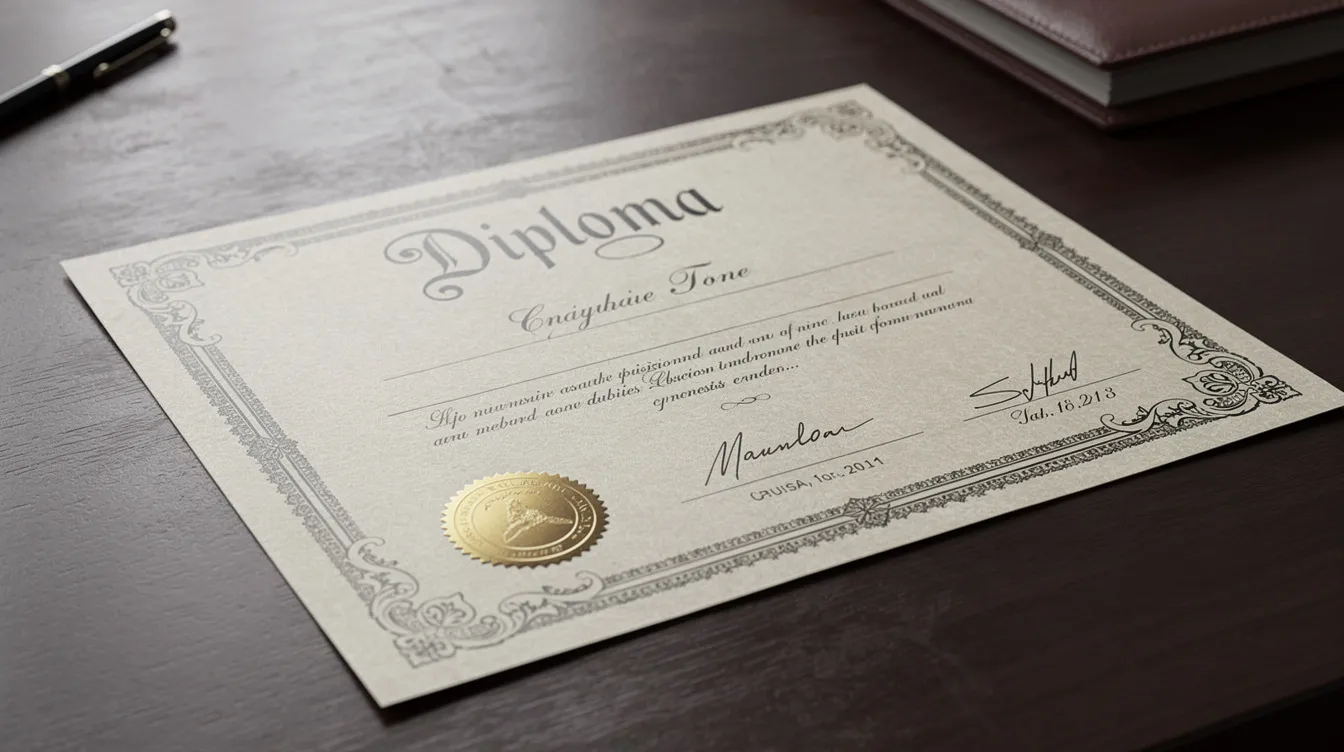
Diploma Defined: Meaning and Core Elements
A diploma is an official document issued by an educational institution confirming that you've completed a course of study and met all graduation requirements. More authoritatively, a diploma is a document awarded by an educational institution testifying that the recipient has graduated by successfully completing their courses of studies. It's your credential, your proof of achievement. An academic degree is another type of academic credential, typically awarded after completing a higher education program such as an associate, bachelor's, master's, or doctorate, and usually requires more extensive study.
Think of it as an official certificate of accomplishment. A diploma testifies successful completion of coursework and qualifies you for specific roles or further education. It differs from a degree in several key ways. The difference between a diploma and a degree often includes program length, curriculum depth, and career opportunities. Many students research "diploma vs degree" or "diploma vs" when deciding which educational path best fits their goals.
When considering your options, it's important to compare diploma and degree programs to understand which aligns with your career plans and educational needs.
Core Elements Found on Every Diploma
Regardless of type or origin, diplomas share common structural components:
-
Institution name and seal – Identifies the awarding school
-
Graduate’s name – Your full name as officially registered
-
Program or qualification – Specific degree or certificate earned
-
Graduation date – When you completed requirements
-
Signatures – Diplomas must be signed by school officials to authenticate their validity
-
Professionally printed design elements – Diplomas are printed on premium materials with borders, decorative features, and official insignia
Customizable diplomas can include options for different seal designs, covers, and additional features like calligraphy.
Visual design and layout of diplomas communicate legitimacy and prestige through formal presentation.
Now that we've defined what a diploma is and its key elements, let's explore the different types of diplomas available worldwide.
Frequently Asked Questions About Diplomas
What is a diploma?
A diploma is an official document issued by an educational institution that confirms the completion of a course of study and meeting graduation requirements. It certifies that a student has completed a particular course of study or a set of experiences within a specific field.
What are the key differences between a diploma and a degree?
Diplomas typically focus on practical skills, have a shorter duration (1-3 years), lead directly to career employment, and offer flexible educational pathways, whereas degrees—such as associate (2 years) or bachelor's (4 years)—require a longer commitment and include a mix of core subjects and general liberal arts or sciences.
Why is a diploma important?
A diploma serves as proof of your educational achievement, demonstrating competency to employers and allowing you to qualify for specific jobs or further educational opportunities.
How are diplomas verified for authenticity?
Diplomas can be verified by contacting the educational institution that issued it. Verification processes check that the graduate attended the institution, completed the requirements, and received the credential listed.
With these common questions answered, let's move on to the various types of diplomas available around the world.
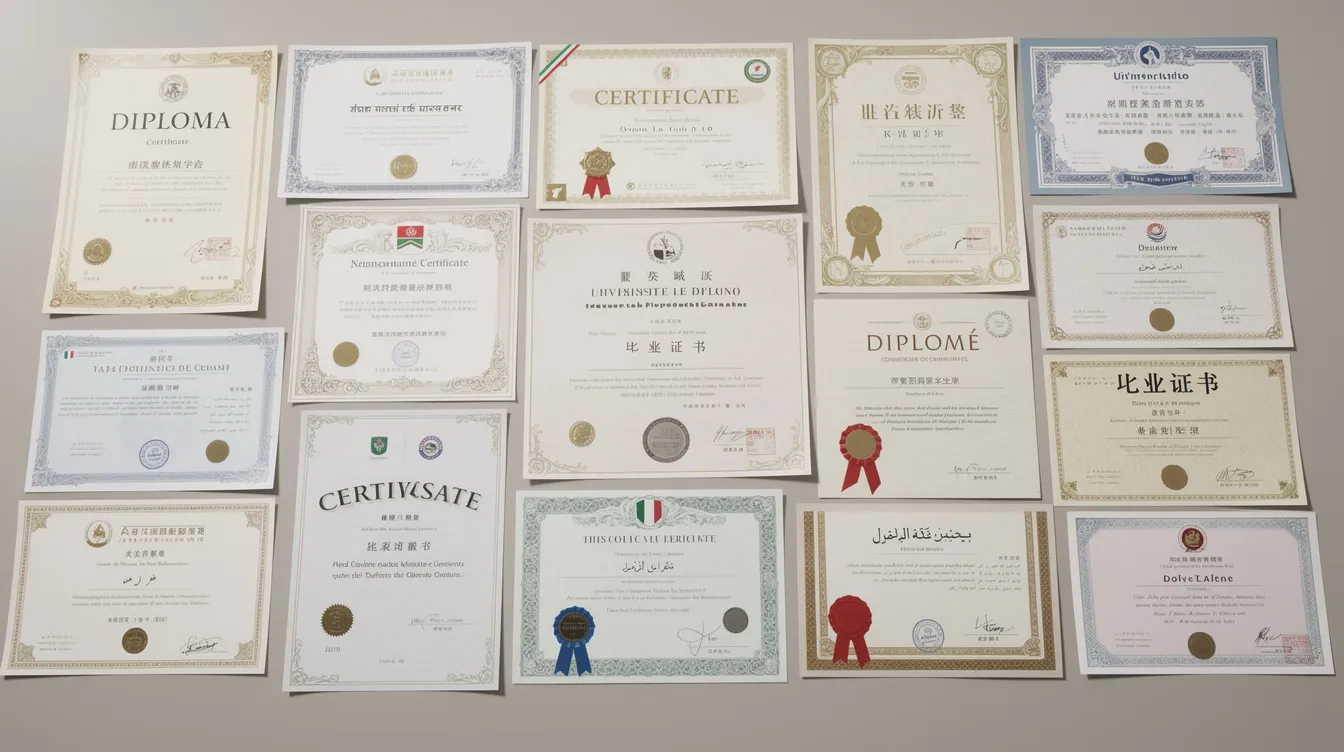
Major Types of Diplomas Worldwide
Diplomas aren't one-size-fits-all. The type you earn depends heavily on where you study and what you're pursuing. Worldwide, diplomas come in various forms and academic levels, each serving distinct educational purposes and career pathways. Each diploma corresponds to a specific educational level, reflecting the stage of education completed and impacting future skills, career prospects, and academic hierarchy. Some diploma programs, especially at higher educational levels, may require two or more years to complete, depending on the country and field of study. Additionally, the knowledge needed to pursue certain diplomas—such as postgraduate or specialized programs—can be significant, often requiring prior qualifications or expertise in a related area.
Understanding these differences matters if you're celebrating an achievement, creating commemorative documents, or preparing materials for theatrical productions. Let's break down what exists globally.
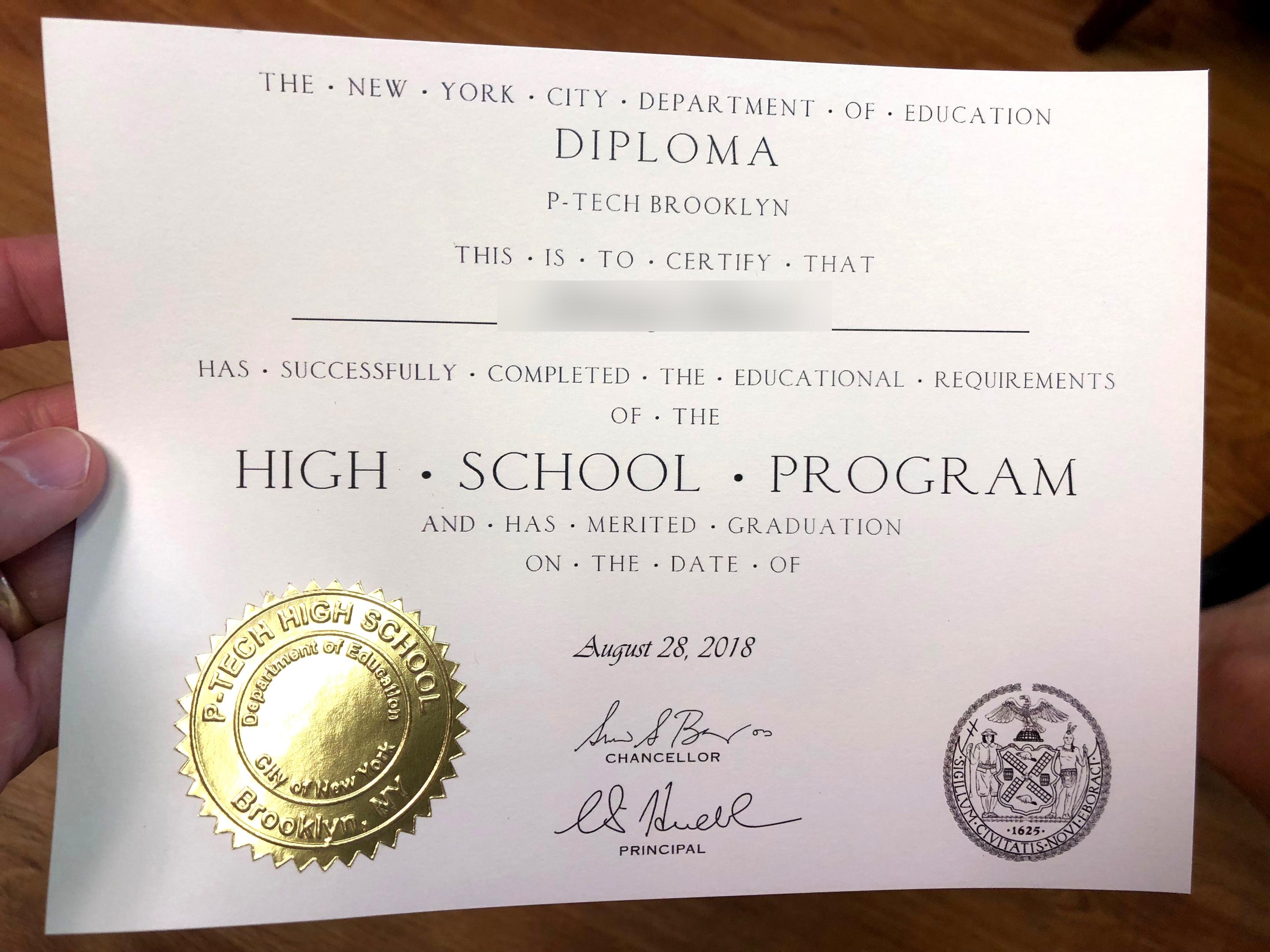
United States High School Diploma
In the United States, diplomas serve two primary functions: high school completion and vocational training. A high school diploma confirms you've finished secondary education. Vocational diplomas certify specialized trade skills like carpentry, nursing, or welding. An associate degree is a common next step after earning a high school diploma or completing vocational training, especially for those seeking further education or career advancement. Fields like health care particularly value vocational diplomas and associate degrees, as they are often required for entry-level positions and further specialization.
These documents carry significant weight for employment and further education eligibility. Many employers require at minimum a high school diploma before considering candidates.
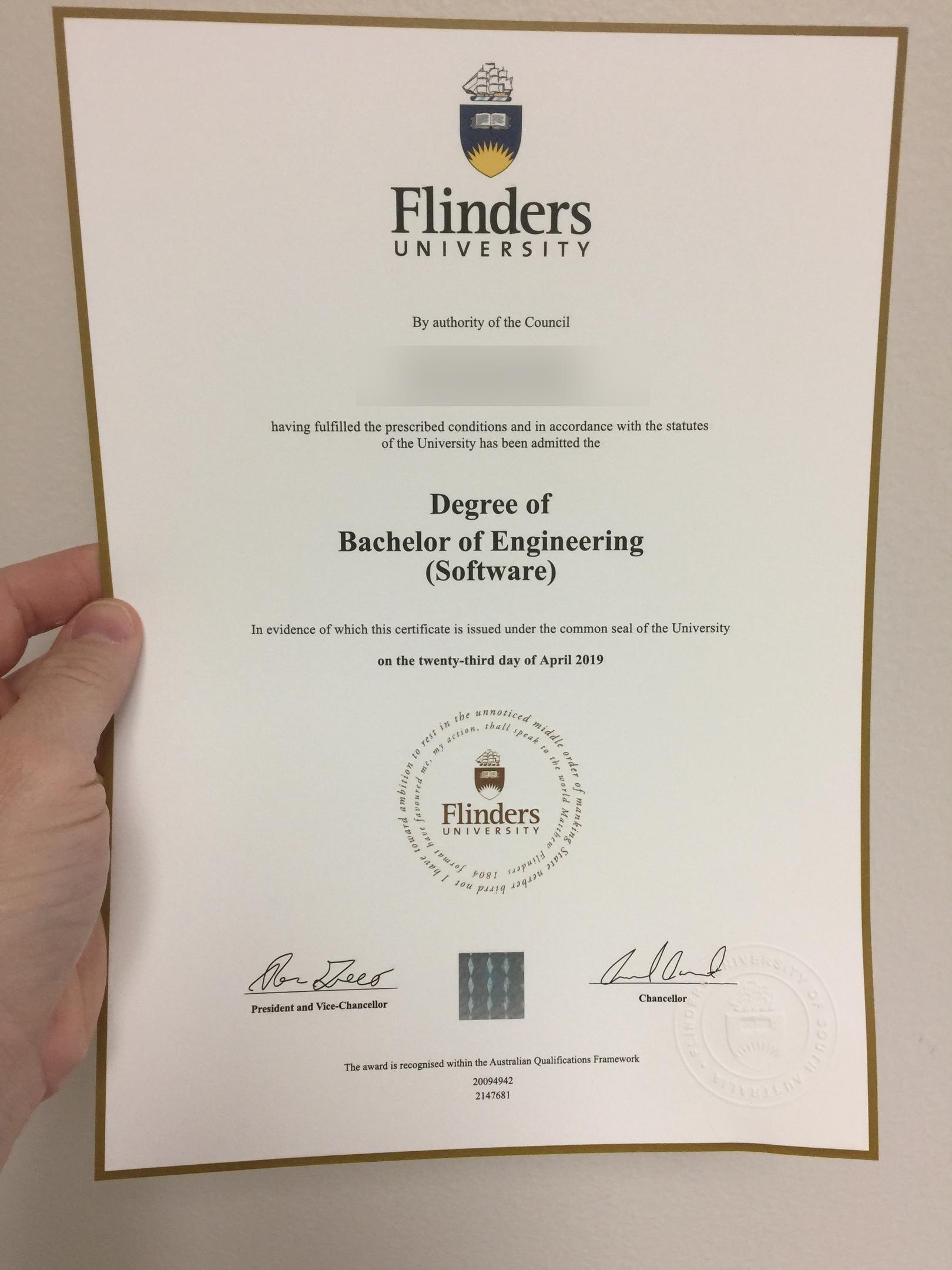
Australian Diploma System
Australia operates a structured framework with three distinct levels:
-
Diploma - Entry-level credential aligned with specific Australian Qualifications Framework levels
-
Advanced Diploma - Higher-level qualification requiring additional coursework
-
Graduate Diploma - Postgraduate option for those already holding degrees
Each category affords clear pathways to employment or further university study, making career progression transparent.
Canadian College Diplomas
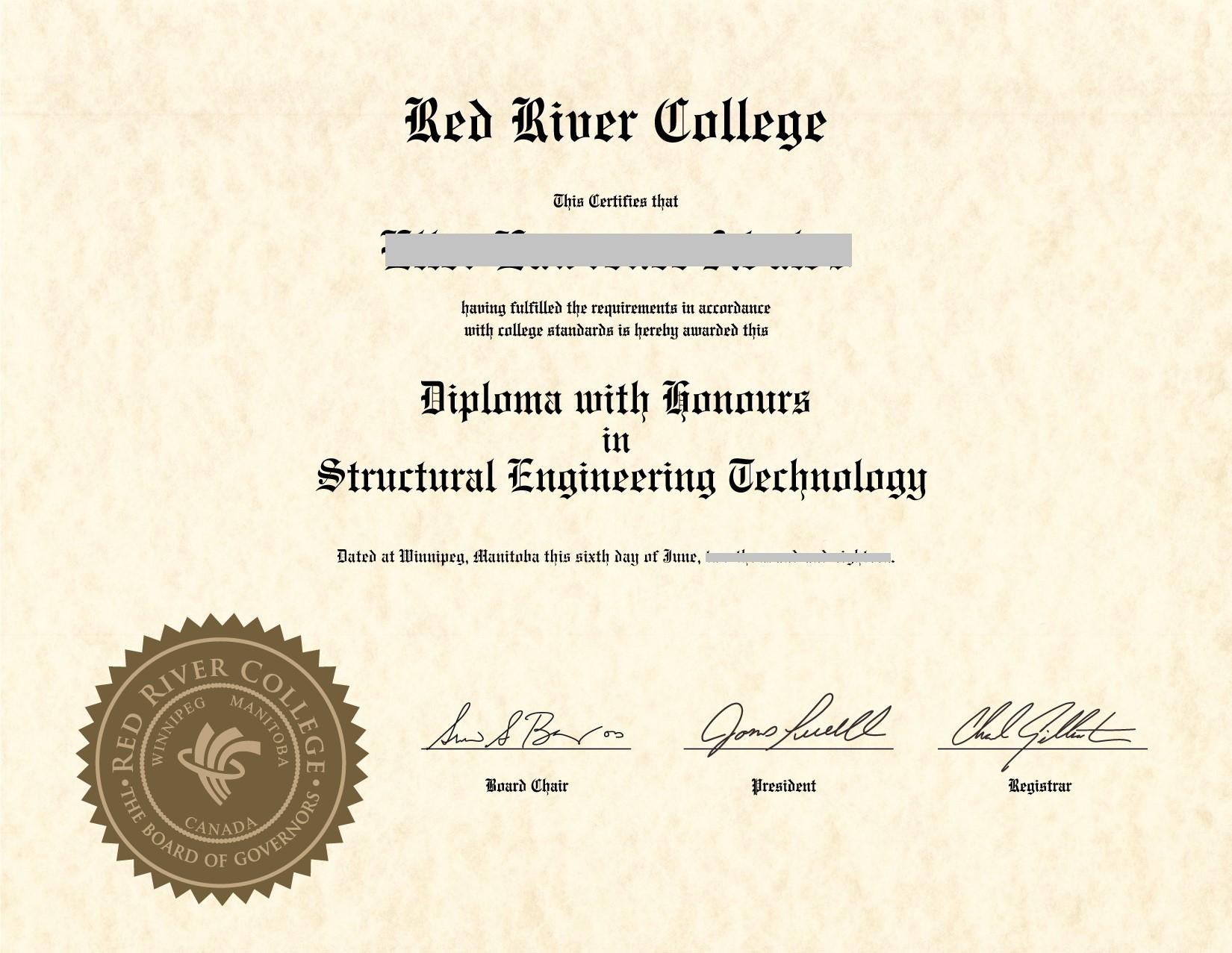
Canadian institutions issue two-year or three-year college diplomas, often labeled as standard diplomas or advanced diplomas. These differ significantly from Canadian degrees and focus on practical, applied learning. A bachelor's degree is a common academic credential in Canada, typically requiring more years of study and serving as a foundation for further education such as master's or doctoral programs. Degree programs offer a broader range of opportunities, including a comprehensive curriculum that combines theoretical knowledge with practical skills, which can lead to diverse career paths and advancement. College diplomas often provide distinct advantages for specific career entry points compared to academic degrees.
Canadian diplomas prepare graduates for immediate workforce entry in fields like trades, healthcare, and technology.
United Kingdom Qualifications
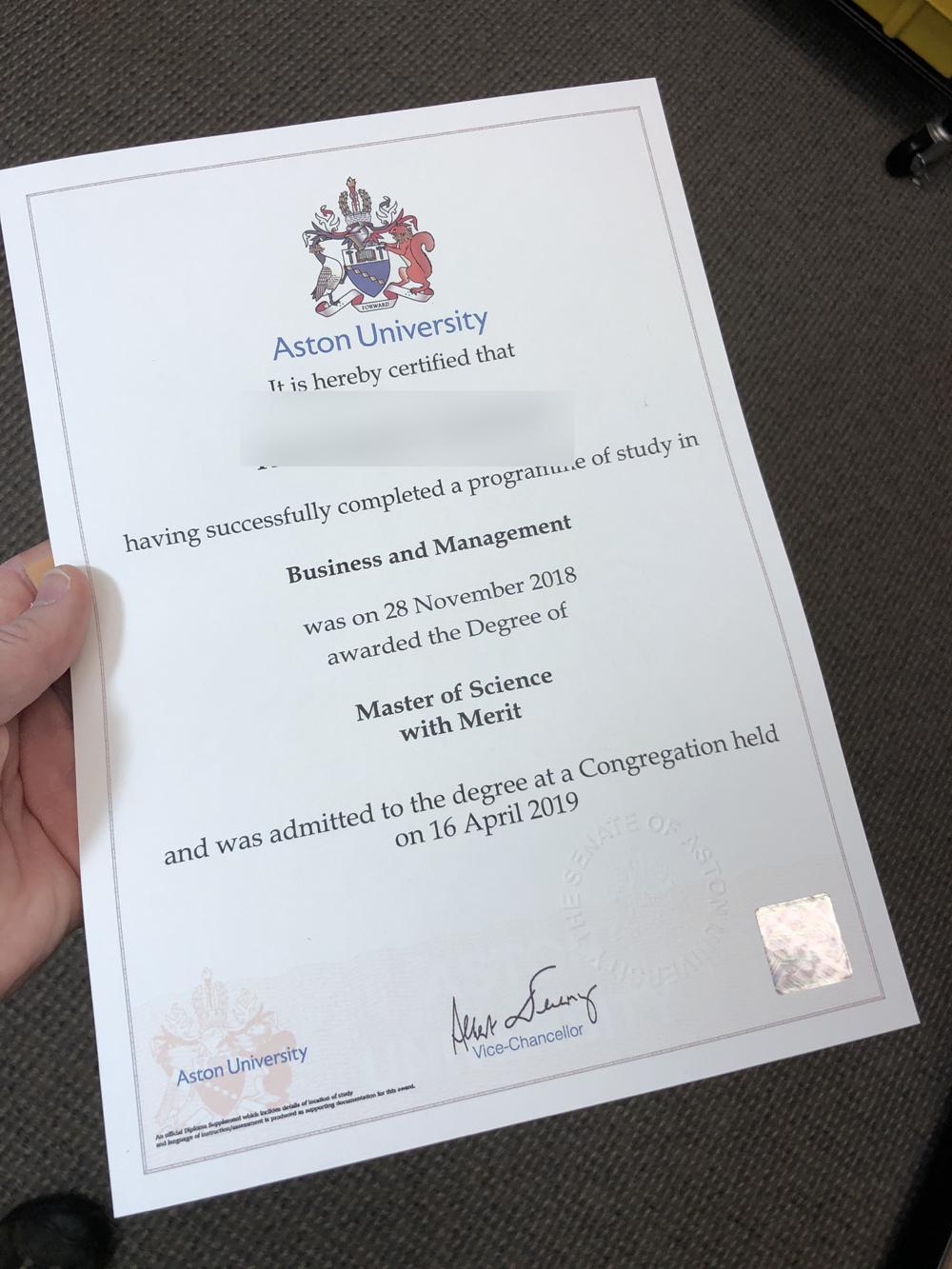
The UK offers a comprehensive range spanning from Level 3 through postgraduate levels. Diplomas here function as vocational qualifications or specialist certifications. This includes the postgraduate diploma, an advanced qualification typically pursued after a bachelor's or master's degree, which focuses on practical skills and workforce readiness. Postgraduate diplomas are considered at the same level as master's degrees in terms of academic standing, though they are usually shorter in duration and more career-oriented. Some UK diplomas, such as the DipHE, emphasize theoretical knowledge, providing a strong foundation in the subject area. They represent qualifications distinct from traditional degrees but equally respected by employers.
Here's a concise comparison of diploma systems across four major countries and their key distinctions:
|
Country |
Entry Level Diploma |
Advanced/Specialist Diploma |
Typical Career Pathways |
|---|---|---|---|
|
United States |
High School, Vocational |
Associate/Vocational Certificates |
Entry to jobs, further study |
|
Australia |
Diploma |
Advanced, Graduate Diploma |
Vocational jobs, university |
|
Canada |
2-3 Year College Diploma |
Advanced College Diploma |
Immediate employment, trades |
|
United Kingdom |
Level 3 to Postgrad Diploma |
Higher National/Sub-Degree Diplomas |
Vocational/professional roles |
Diploma types vary globally because education systems reflect local job markets and cultural approaches to vocational versus academic training.
Comparing Purposes Globally
Diplomas serve three primary functions internationally:
-
Vocational qualification - Direct entry into trades and specialized careers
-
Pathway credential - Bridge to undergraduate or postgraduate study
-
Specialist certification - Additional qualifications in specific fields
Your location determines which type you pursue and how employers or institutions recognize it. The specifics of diploma programs depend on factors like cost, duration, and field of study, which can vary widely between countries and educational systems.
Pro tip: When creating or requesting a diploma document, research the specific format and details used by the institution you're representing—details like seal design, signature lines, and credential wording vary significantly by country and institution.
With a clear understanding of the types of diplomas available worldwide, let's look at how diploma programs are structured to prepare students for success.
Program Structure: How Diploma Programs Are Organized
Diploma programs are carefully designed to provide students with a comprehensive education in a specific field, focusing on the practical skills and hands-on training needed to succeed in today’s workforce. The 'load' of a diploma program refers to the total number of course credits and the workload required to complete the program, which can vary depending on the field of study and institution. Unlike traditional degree programs, which often span three to four years, diploma programs are typically completed in a much shorter timeframe—ranging from just a few months to two years. This makes them an ideal choice for students who want to gain the knowledge and skills required to enter the workforce quickly.
Personal resources such as time, financial capacity, and available support play a crucial role in making educational decisions and choosing the right diploma program.
Classroom and Practical Learning
The structure of diploma programs usually combines classroom learning with real-world experience. Students participate in a mix of theoretical classes and practical coursework, ensuring they not only understand the concepts but also know how to apply them in real-life situations.
Internships and Work Placements
Many diploma programs include internships, work placements, or clinical rotations, giving students valuable hands-on training in their chosen field. For example, a healthcare diploma might include classes in anatomy and medical terminology, paired with supervised patient care experiences.
By focusing on both knowledge and practical skills, diploma programs provide students with a well-rounded education that prepares them for immediate employment in their specific field. Whether you're looking to start a new career or upgrade your current skills, diploma programs offer a streamlined path to achieving your goals.
Now that you know how diploma programs are structured, let's examine the specialized knowledge and skills you gain from earning a diploma.
Specialized Knowledge: What You Gain from a Diploma
One of the biggest advantages of diploma programs is their focus on specialized knowledge and practical skills tailored to a particular subject or industry. Unlike degree programs, which often cover a broad range of topics and general education requirements, diploma programs focus on the essential skills and training needed for a specific career path.
Types of Specialized Knowledge
For example, a diploma in engineering will concentrate on the technical abilities required to design and implement engineering projects, while a business diploma will emphasize management, entrepreneurship, and operational skills. This targeted approach means that students graduate with the exact knowledge and hands-on experience needed to meet their career goals and excel in their chosen profession.
Capstone Projects and Applied Skills
Many diploma programs also require students to complete a final project or capstone project, allowing them to demonstrate their applied skills and knowledge in a real-world or simulated setting.
Diploma programs are ideal for students who want to develop expertise in a particular subject and enter the workforce with confidence. By successfully completing a diploma, you gain not only the practical skills employers are looking for but also the specialized knowledge that sets you apart in your field.
With an understanding of the specialized knowledge diplomas provide, let's explore where you can earn a diploma and the types of institutions that offer these programs.
Institution Options: Where You Can Earn a Diploma
Diploma programs are widely available at a range of educational institutions, giving students plenty of options to match their career goals and personal circumstances.
Many institutions and providers now allow you to order a diploma directly through their site or website, making the process convenient and customizable.
Types of Institutions Offering Diplomas
Community colleges, universities, and vocational schools all offer diploma programs alongside traditional degree programs, making it easier than ever to find a program that fits your needs.
Many colleges and universities provide diploma programs in fields like healthcare, business, technology, and more, allowing students to pursue further education or enter the workforce directly. Community colleges are especially popular for diploma programs, offering affordable, accessible education with a strong focus on practical skills. Vocational schools specialize in hands-on training for specific trades and professions, making them a great choice for students seeking targeted career preparation.
For added flexibility, some institutions offer online or part-time diploma programs, enabling students to balance their education with work or family commitments. By exploring the different options available at colleges, universities, and community colleges, you can find the diploma program that best supports your education and career ambitions.
Now that you know where diplomas can be earned, let's look at how diplomas are issued and verified for authenticity.
Career Opportunities with a Diploma
Earning a diploma is a powerful way to access the workforce and start making a real impact in your chosen field. As an official document, a diploma certifies that you’ve completed a specific course of study and met the requirements set by your institution. This academic credential is widely recognized by employers and can open up a variety of career pathways, allowing graduates to choose the option that best fits their goals—whether that means continuing their education or entering the job market right away.
One of the key advantages of a diploma is the speed and flexibility it offers. Many diploma programs can be completed in two years or less, making them an efficient route for students who want to earn a credential and start working sooner. In some fields, a diploma is considered equivalent to a bachelor’s degree, especially when it comes to practical skills and hands-on training. This means you can access higher-level positions and opportunities without committing to a longer degree program.
However, it’s important to research your desired career area, as some roles may require a bachelor’s degree or higher. The level of recognition a diploma receives can vary depending on the institution and the specific program, so always choose a reputable, recognized school or university. For example, a diploma in nursing or engineering can provide a high level of job security and clear advancement pathways, while a diploma in art or design may offer more creative freedom and entrepreneurial opportunities.
With a diploma in hand, understanding how it is issued and verified is the next step to ensuring its value and authenticity.
How Diplomas Are Issued and Verified
Diplomas don’t just appear—they follow formal processes from issuance through verification. Understanding how institutions issue and authenticate diplomas helps explain why they carry weight and how organizations confirm their legitimacy.
The process varies by country and educational system, but core principles remain consistent. Institutions document completion, sign official records, and maintain verification databases.
-
Authorization: Diplomas are only issued after the institution confirms all academic requirements are met. Diplomas must be signed by school administrators to authenticate their validity and serve as an official record of graduation.
-
Distribution: Graduates receive their diplomas either in person at ceremonies or by mail. Many American universities do not print diplomas until several weeks or months after the dates on which graduates were formally awarded their degrees.
The Issuance Process
When you graduate, your institution follows specific steps to create your diploma:
-
Confirmation of completion - Registrar verifies all requirements are met
-
Document creation - Official diploma is prepared with your credentials
-
Authorization - Institutional officials sign and seal the document
-
Record maintenance - Copy stored in permanent educational records
-
Distribution - Diploma delivered to graduate
Each step creates an audit trail that later verification relies on. Institutions keep detailed records matching diploma numbers to graduate information.
Verification Basics
Verification means confirming a diploma is genuine and the credentials it claims are accurate. When someone needs to verify your diploma, they typically contact your institution directly.
Employers, government agencies, or educational institutions can request verification. The process checks that you actually attended, completed requirements, and received the credential listed.
International Recognition Challenges
Diplomas face recognition issues across borders. Formal recognition by competent authorities evaluates the value of qualifications from abroad, considering curriculum, institution accreditation, and academic level.
Automatic recognition doesn't exist across EU countries—diplomas must go through national procedures to be recognized. ENIC/NARIC centers evaluate diplomas relative to national qualifications.
Verification requirements include:
-
Authenticity assessment - Confirming the diploma is real
-
Duration evaluation - Comparing program length to local standards
-
Content analysis - Reviewing coursework and credits
-
Equivalency determination - Assessing credential value
Who Verifies Diplomas?
Multiple entities conduct diploma verification:
-
Educational institutions - Universities verify degrees for transfer students
-
Employers - Companies confirm credentials during hiring
-
Government agencies - Licensing boards verify professional qualifications
-
Recognition centers - National organizations assess foreign credentials
-
Third-party services - Companies specialize in credential verification
Diploma verification protects everyone—employers avoid hiring unqualified candidates, and institutions maintain academic integrity.
Verification typically takes days to weeks depending on the institution's responsiveness and complexity of the request.
Pro tip: Keep your original diploma and official transcripts in a secure location, and request certified copies from your institution if you need to submit credentials to employers or educational programs—certified copies carry more verification weight than personal presentations.
With a clear understanding of how diplomas are issued and verified, let's examine the legal uses, official recognition, and restrictions associated with diplomas.
Official Recognition, Legal Uses, and Restrictions
Diplomas carry legal weight only when officially recognized by relevant authorities. Recognition isn’t automatic—it depends on jurisdiction, institution type, and how you plan to use your credential.
State requirements and regulations play a significant role in determining the recognition and legal use of diplomas, especially for homeschooling and workforce participation.
Understanding legal uses and restrictions matters whether you’re pursuing further education, seeking employment, or creating commemorative documents. The rules vary significantly by country and context.
What Official Recognition Means
Official recognition is when a government or authorized body confirms your diploma is legitimate and meets specific standards. Recognition enables you to use your credential for specific purposes like employment or further study.
National governments retain authority over educational systems and decide recognition rules for foreign diplomas. This means your credential might be recognized in one country but not another.
Legal Uses of Diplomas
Once recognized, diplomas serve specific legal purposes:
-
Admission to further study - Universities accept credentials for transfer or graduate programs
-
Employment eligibility - Employers hire based on verified credentials
-
Professional licensure - Licensing boards grant certifications based on education
-
Immigration requirements - Countries assess educational qualifications for visa eligibility
-
Career advancement - Promotions often require specific educational credentials
Each use requires verification that your diploma meets established standards for that context.
International Recognition Framework
The UNESCO Convention on the Recognition of Studies, Diplomas and Degrees promotes cooperation among states to facilitate recognition of academic qualifications. This legal framework influences how diplomas are treated across jurisdictions.
The Convention obligates states to recognize foreign diplomas unless substantial differences exist. Fair, transparent assessment procedures guide recognition decisions.
Restrictions and Limitations
Not all diplomas are automatically accepted everywhere. Restrictions apply when:
-
Qualifications differ substantially - Program length or content doesn't match local standards
-
Institution lacks accreditation - School isn't recognized by relevant authorities
-
Credential level misaligns - Diploma doesn't meet professional requirements
-
Compensatory measures required - Additional testing or adaptation periods needed
Recognition does not automatically imply acceptance in all contexts. An employer or institution may accept a recognized diploma but still impose additional requirements.
Official recognition protects both credential holders and institutions by ensuring qualifications meet established standards.
Understanding these distinctions helps explain why authentic, properly verified diplomas matter for legitimate purposes.
Pro tip: Before relying on a diploma for professional purposes, contact the relevant authority in your jurisdiction—whether an employer, licensing board, or educational institution—to confirm whether your specific credential meets their recognition requirements and what additional documentation they may need.
With legal uses and recognition clarified, let's discuss how to safely use replacement and novelty diplomas.
Safe Use of Replacement and Novelty Diplomas
Replacement and novelty diplomas serve legitimate purposes when used responsibly. Understanding what constitutes safe, legal use protects you from serious consequences and ensures your documents serve their intended purpose.
Replica diplomas are often used for display purposes and can be customized to reflect the original diploma's design.
The key distinction lies in how you use your diploma. Context matters tremendously—the same document can be appropriate in one situation and illegal in another.
When ordering or creating diplomas, each saved design or product is treated as an item that can be stored for future purchase or customization.
Legitimate Uses for Replacement Diplomas
Replacement diplomas have valid applications:
-
Personal memorabilia - Celebrating educational achievements you've earned
-
Theatrical productions - Props for film, stage, or video content
-
Educational displays - School exhibits or educational reenactments
-
Family keepsakes - Replacing lost or damaged original diplomas
-
Commemorative purposes - Marking milestones or personal accomplishments
When used for these purposes with clear understanding that they're replacements or novelty items, replacement diplomas create no legal problems.
This table summarizes safe versus unsafe uses of replacement diplomas to clarify best practices:
|
Use Type |
Examples |
Legal Risk |
|---|---|---|
|
Personal Memorabilia |
Framing, keepsake, display |
None if transparent |
|
Theatrical/Display |
Movie props, school events |
None if not misused |
|
Employment Submission |
Job application, license request |
High—considered fraud |
|
Educational Deception |
Claiming credits or degree |
Very high—illegal |
What Makes Use Unsafe or Illegal
Problems arise when you misrepresent diplomas as authentic credentials. Submitting a replacement diploma to employers, educational institutions, or government agencies as proof of credentials crosses into fraud territory.
Understanding the risks and safe uses of replacement diplomas helps you navigate legitimate applications while avoiding serious legal consequences.
Illegal uses include:
-
Employment fraud – Submitting to qualify for jobs you're unqualified for
-
Professional licensing – Using to obtain certifications or licenses
-
Educational deception – Claiming credits for admission to programs
-
Government misrepresentation – Submitting to authorities as proof of credentials
These actions carry criminal penalties including fines and imprisonment.
Transparency and Responsibility
The safest approach is complete transparency about your document's status. If you're using a replacement diploma for personal reasons, keep it clearly separate from official records.
Safe use requires honesty about what your document represents and clear boundaries on where you present it.
Never represent a replacement diploma as official credentials to anyone making decisions based on educational qualifications. The consequences extend beyond legal penalties to damaging your professional reputation.
Legitimate uses thrive on honesty. Whether celebrating personal achievements or creating theatrical props, transparency protects everyone involved.
Pro tip: When ordering a replacement diploma, clearly communicate its intended use to the provider and keep written documentation of that purpose—this creates a clear record demonstrating your legitimate, non-fraudulent intent if questions ever arise.
With safe and responsible use in mind, let's see how you can celebrate your achievements with custom diplomas.
Celebrate Your Achievement with Custom Diplomas Designed for You at Hey Congrats
Understanding the true meaning and importance of a diploma reveals how essential it is to have a document that represents your hard work and success accurately. Whether you need a replacement diploma for personal keepsakes or a novelty diploma for theatrical productions, ensuring your diploma includes the core elements of legitimacy is key. At Hey Congrats you can easily craft your perfect diploma using our Diploma Maker | Custom Replacement & Novelty Diplomas which allows you to customize all details such as school name, graduation date, city, title, and specific credentials. You can add extras like diploma covers, seals, honors distinctions, or hand-calligraphy for a more personalized and prestigious finish.
Our online ordering process is simple—just click the button to start, and you can make changes to details like the graduation date, city, or title at any time. Diplomas are typically issued in English, which enhances international recognition and standardization. Customization options let you choose the features that best fit your needs, and expedited shipping can ensure delivery by Friday if needed. For an artisanal touch, you can add hand-calligraphy or hand-gilding to your diploma cover. If you’re ordering for a group, you can upload a list of names so each person receives their own personalized diploma. Honors seals or distinctions can be included to recognize academic achievement, and the title on the diploma denotes the official designation or qualification awarded.
Customizable diplomas for homeschoolers can include personalized wording and design options. A personalized diploma for homeschoolers should include the name of the school, the name of the graduate, and the date presented. Homeschool diplomas can be designed to reflect the unique values and educational journey of the student, and a high-quality diploma can serve as a meaningful acknowledgment of a student's educational achievements in homeschooling.
Take control of how you commemorate your education or create realistic props with quality and authenticity in mind. Visit Hey Congrats today to explore options tailored for diplomas used responsibly for memorabilia film or theater. Start designing now with our Custom Replacement Diploma Maker Online and bring your achievements to life in a way that feels genuine and meaningful.


