
Fake Diploma vs Real: How to Spot One (and When a Replica Is Okay)

When someone searches for “a fake diploma,” they’re not always looking to misrepresent. This article is educational. We’ll walk through how to detect illegitimate credentials, understand the risks of counterfeit degrees in hiring and admissions, and clarify when a replica diploma is perfectly appropriate. In fact, many people typing those words into a search bar are graduates who lost their original diploma in a house fire, had it damaged during a cross-country move, or simply want a second copy to display in their home office while keeping the original safely stored. Many people buy fake diplomas for good reasons, such as restoring a lost diploma or creating a prop for a movie.
This guide is for graduates, employers, HR professionals, and anyone interested in understanding the differences between fake and real diplomas.
What Is a Fake Diploma vs a Real Diploma?
A real diploma is often printed on high-quality paper with professional finishes, includes official seals or watermarks, has accurate logos and high-resolution printing, and features consistent fonts and formatting. Fake diplomas may lack these features and can often be identified by spelling errors or generic wording.
Definition:
-
Real Diploma: Issued by an accredited educational institution, a real diploma is typically printed on high-quality paper with professional finishes, includes official seals or watermarks that are difficult to replicate, features accurate logos and high-resolution printing, and maintains consistent fonts and formatting throughout.
-
Fake Diploma: A fake diploma is a document that attempts to replicate the appearance of a real diploma but is not issued by a legitimate institution. These often use regular printer paper, lack official seals or watermarks, may have pixelated or distorted logos, inconsistent fonts, and are prone to spelling errors or generic wording.
Fake vs Real Diploma: Quick Comparison
Here’s a summary table comparing the key features of real and fake diplomas:
|
Feature |
Real Diploma |
Fake Diploma |
|---|---|---|
|
Paper Quality |
High-quality paper with professional finishes |
Regular printer paper |
|
Seals/Watermarks |
Official seals or watermarks, often embossed and hard to replicate |
Often missing, flat, or printed seals |
|
Logos |
Accurate, high-resolution logos matching the institution’s branding |
Pixelated, distorted, or incorrect logos |
|
Fonts & Formatting |
Consistent fonts and formatting throughout |
Inconsistent fonts, mixed styles, poor alignment |
|
Spelling & Wording |
Accurate, institution-specific wording |
Spelling errors, generic or incorrect wording |
What Constitutes a Fake Diploma or a Real Diploma?
Real diplomas are often printed on high-quality paper with professional finishes, include official seals or watermarks, have accurate logos and high-resolution printing, and feature consistent fonts and formatting. Fake diplomas may lack these features and can often be identified by spelling errors or generic wording.
For those with legitimate needs—a replacement diploma, a duplicate for your second home, or a display copy for your office—reputable providers like HeyCongrats.com offer high-quality customized solutions that honor real achievements without crossing ethical lines.
The Hidden Problem: How Common Are Fake Diplomas Today?
Digital design tools and online marketplaces have made forged diplomas easier to obtain than ever before. Since around 2010, the barrier to creating convincing counterfeit degrees has dropped significantly, putting employers, universities, and licensing boards on high alert.
-
Over 4,000 fake credential websites operated globally as of recent tallies, with U.S. cases of diploma misrepresentation rising approximately 20% yearly
-
A 2022 survey found that 40% of employers had encountered fake diplomas during the hiring process, prompting an estimated $800 million in annual verification spending
-
The 2006 exposure of Axact, a Pakistani diploma mill syndicate, revealed an operation generating over $140 million by selling 400,000 fake degrees from invented universities
-
Diploma mills issue millions of counterfeit documents annually, with one enforcement bust seizing 200,000 fraudulent documents
-
Fake transcripts now comprise roughly 70% of academic misrepresentation detections, often accompanying counterfeit diplomas. The increasing challenge of verifying academic transcripts has made credentials verification a critical step in the recruitment process, as employers and institutions seek to ensure the authenticity of all academic documents.
-
Well-publicized crackdowns between 2015 and 2023 have shuttered numerous operations, yet new ones continue to emerge
-
Doctored PDFs and altered scans have become common as fewer organizations request original paper documents
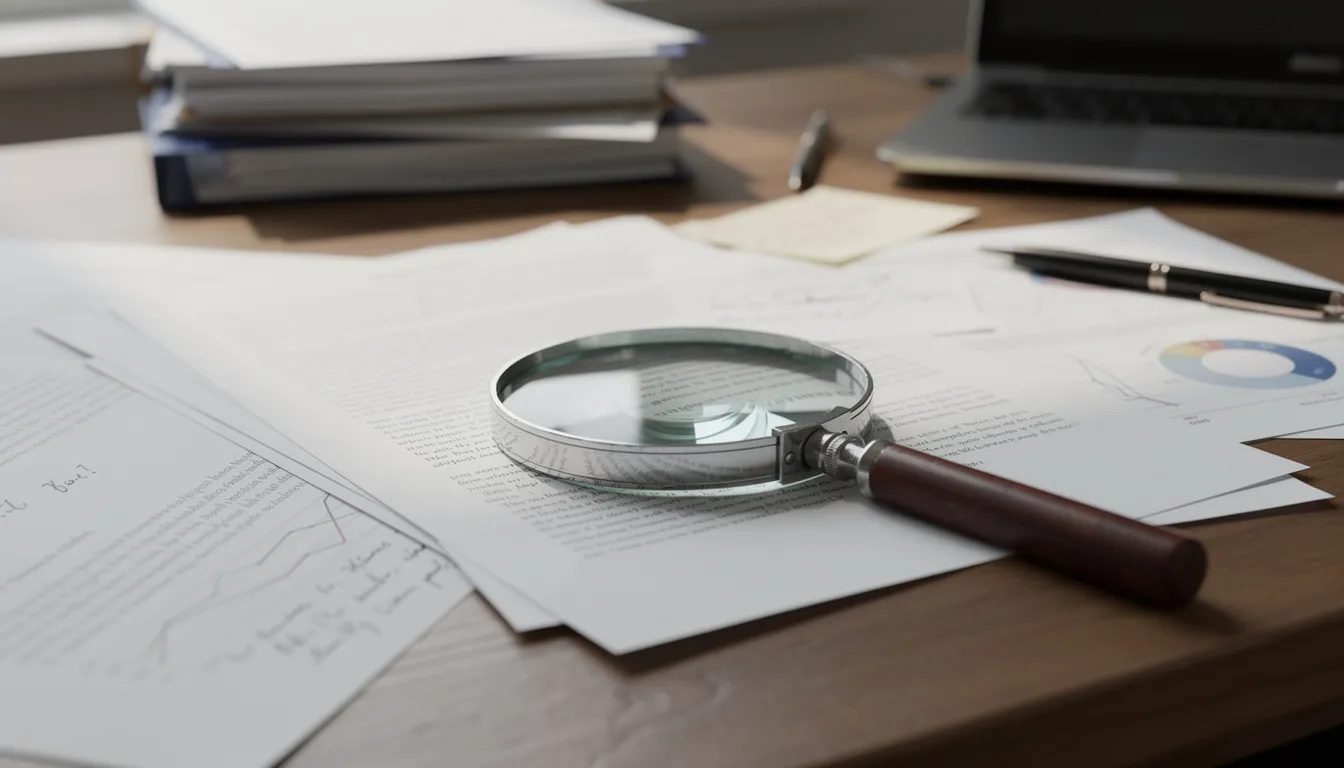
The shift to digital workflows has created new vulnerabilities. When hiring managers accept emailed scans rather than requesting verification from the issuing institution, they open the door to sophisticated forgeries that pass basic visual inspection.
How to Spot a Fake Diploma: Practical Checks for HR and Schools
This section provides quick-answer guidance for employers, registrars, and anyone who needs to recognize suspicious diplomas fast. Think of it as your verification checklist.
-
Verify the institution name and location match real universities; watch for slight misspellings like “University of Indiana” instead of the correct “Indiana University”
-
Compare the degree title to actual program offerings for the stated graduation date—check whether the school offered that course in 2018, for example
-
Confirm the graduation date aligns with typical program length; a bachelor’s degree usually requires four years of study
-
Cross-check accreditation status by confirming the institution appears in official registries such as the U.S. Education Department database or national equivalents as of 2024
-
Inspect paper quality: real diplomas are often printed on high-quality paper with professional finishes, such as archive-grade parchment with watermarks visible when backlit, while fake diplomas may feel like regular printer paper
-
Examine seal type—authentic diplomas typically include official seals or watermarks that are difficult to replicate, and genuine seals are embossed with raised depth, not flat-printed
-
Look for consistent fonts and spacing throughout; mixing serif and sans-serif fonts is a red flag
-
Verify that signatures appear handwritten rather than digitally overlaid
-
Check that logos and branding match the institution’s style from that era, accounting for any logo updates that occurred in specific years; accurate logos are a hallmark of authentic diplomas, with real diplomas featuring high-resolution, clear logos that match the school's official branding
Document Red Flags: Visual Signs of a Forged Diploma
No single sign definitively proves misrepresentation, but multiple red flags appearing together should trigger immediate verification.
-
Inconsistent fonts: Mixing typefaces or varying sizes within the same document
-
Off-center or flat seals: Genuine diplomas feature embossed seals with tactile depth
-
Generic wording: Phrases like “University of Education, USA” instead of specific, real school names
-
Mismatched dates: A “Master of Data Science” dated 1995 when most programs launched after 2010
-
Signature anomalies: Names of officials who weren't in office at the stated graduation year
-
Template reuse: Counterfeiters often use identical layouts across different “schools,” resulting in repeated designs and identical signatures
-
Spelling errors: “Bachelors of Art” instead of the correct “Bachelor of Arts”
Consider maintaining a small internal library of genuine diploma samples from frequent partner schools. Comparing layout, terminology, and design elements against known authentic documents makes spotting fakes significantly easier.
Verification Workflows: Beyond Just Looking at the Paper
Visual inspection only goes so far. A reliable way to confirm credentials involves direct verification with the issuing institution.
-
Obtain written consent from the candidate before initiating any background check or credential verification
-
Contact the registrar or records office directly using contact information from the institution’s official website—never rely on phone numbers or emails printed on the diploma itself. This step is crucial for verifying the educational credentials by directly contacting the institutions where the applicant claims to have studied.
-
Use third-party verification services or national databases where available, such as the National Student Clearinghouse in the U.S. or government verification portals launched between 2015 and 2024
-
Request verification of related documents: college transcripts, student ID numbers, and enrollment dates should all align consistently. It is important to confirm the authenticity of the applicant's real diplomas during this process.
-
Cross-check the school name, graduation date, and degree title across all submitted documents
-
Expect typical response times of 3–10 business days from university registrars; plan hiring decisions accordingly
-
For international degrees, use credential evaluation services familiar with higher education systems in the relevant country
-
Document all verification attempts and outcomes to demonstrate fair, consistent practices
Proper research is essential—auditing companies should utilize specialized databases and platforms like EveryCheck to authenticate credentials accurately.
Legal and Ethical Lines: When a Fake Diploma Becomes Misrepresentation
There’s a clear distinction between a harmless display piece and criminal misrepresentation. Understanding that line protects both organizations and individuals claiming credentials. When individuals misrepresent qualifications using fake diplomas, there are significant legal and ethical implications, including the risk of legal penalties and job termination.
-
Using a fabricated diploma to obtain employment, professional licensure, immigration benefits, or academic standing is typically illegal under misrepresentation, forgery, or false representation statutes in North America and Europe
-
A 2020 scenario: someone using a fake nursing degree to secure a clinical role could face criminal charges, endanger patients, and expose the employer to liability
-
The 2018 case of a corporate executive caught with a fake Harvard degree resulted in immediate termination and reputational damage
-
Consequences include job loss, civil liability, potential criminal charges carrying 5–20 year sentences in severe cases, and permanent damage to professional credentials
-
John Bear, a well-known researcher on diploma mills, has documented hundreds of cases where fake qualifications led to serious legal consequences
-
Employers have ethical responsibilities to verify qualifications for roles where skills and knowledge directly impact public safety
-
Clear policy communication and consistent enforcement protect both the organization and honest candidates
Fake diplomas should never be used for fraudulent activities, such as applying for jobs or college admission under false pretenses.

Compliance, Privacy, and Data Protection
Diploma verification intersects with labor law and data protection regulations, particularly in regions governed by GDPR (since 2018) and various U.S. state privacy laws.
-
Employers must inform candidates about background checks and credential verification, typically in writing during the application or onboarding process
-
Verification must be proportionate and job-related; only education relevant to the position should be checked
-
Sensitive personal data—political views, religion, health status—is off-limits and unrelated to degree verification
-
Retain documentation of verification procedures and outcomes to demonstrate fair, non-discriminatory practices if challenged later
-
In some jurisdictions, candidates have the right to dispute inaccurate verification results
-
Third-party verification services must comply with the same data protection standards as direct employer checks
-
When verifying credentials from international students or graduates, ensure compliance with cross-border data transfer rules
Consequences of Using a Fake Diploma
Legal Consequences
Using a fake diploma to misrepresent your qualifications is a serious risk with far-reaching consequences. If an employer or educational institution discovers that a candidate has submitted a phony diploma, the result is often immediate termination and a permanent stain on the individual’s professional reputation. Legal repercussions can be severe—ranging from hefty fines to criminal charges—depending on local laws and the intent to deceive.
Employers today have powerful tools at their disposal, such as the National Student Clearinghouse, to verify credentials quickly and accurately. Many educational institutions now issue tamper proof digital certificates, making it even harder for counterfeit diplomas to go undetected. Attempting to deceive employers with a fake diploma not only jeopardizes your current job but can also make it extremely difficult to secure future employment, as word of such misconduct can follow you throughout your career.
It’s important to remember that diplomas should only be used for their intended, legitimate purposes. While novelty or replacement diplomas can be a fun or practical way to celebrate your achievements, using them to falsely claim academic credentials is never acceptable. The risks—legal, professional, and personal—far outweigh any perceived short-term benefit.
Legitimate Uses for a “Fake” Diploma: Replacement, Duplicate, and Display
Display and Keepsake Uses
Now we pivot from deception prevention to legitimate personal use. In many cases, what people call a “fake diploma” is actually a harmless stand-in: a replacement, duplicate, or display copy that doesn’t claim new qualifications. Fake diplomas are also often used as novelty gifts or humorous presents, and can serve as props in theatrical productions, movies, and commercials.
This is where the real thing—your earned credential—meets practical reality. Your original diploma might be lost in a 2019 move, water-damaged in a 2022 flood, or locked in a family home while you’re living abroad. Obtaining an official replacement from your university can take months, especially for degrees from the 1990s or early 2000s when records weren’t fully digitized. Many people purchase fake diplomas to restore lost or damaged documents, especially from closed schools.
-
A replica is acceptable when it reflects a real, earned credential and is not used for verification, licensure, or employment purposes
-
Graduates often want an extra copy to display while keeping the original stored safely
-
High-quality replicas serve as meaningful keepsakes celebrating life experience and academic achievement
-
Replica diplomas can be used as office décor or for other non-fraudulent display purposes
-
Reputable providers like HeyCongrats.com focus on replacement, duplicate, and display documents that mirror earned achievements without inventing credentials
-
The ethical line is clear: just that—a display piece honoring what you actually accomplished
Keepsakes and Home or Office Display
For many graduates, a diploma represents years of hard work, late nights, and personal growth. The emotional and symbolic value extends far beyond the paper itself.
-
Framed diplomas in home offices celebrate milestones like a 2004 high school graduation or a 2012 engineering college degree
-
Parents often display diplomas from their children's high school or university graduation alongside family photos
-
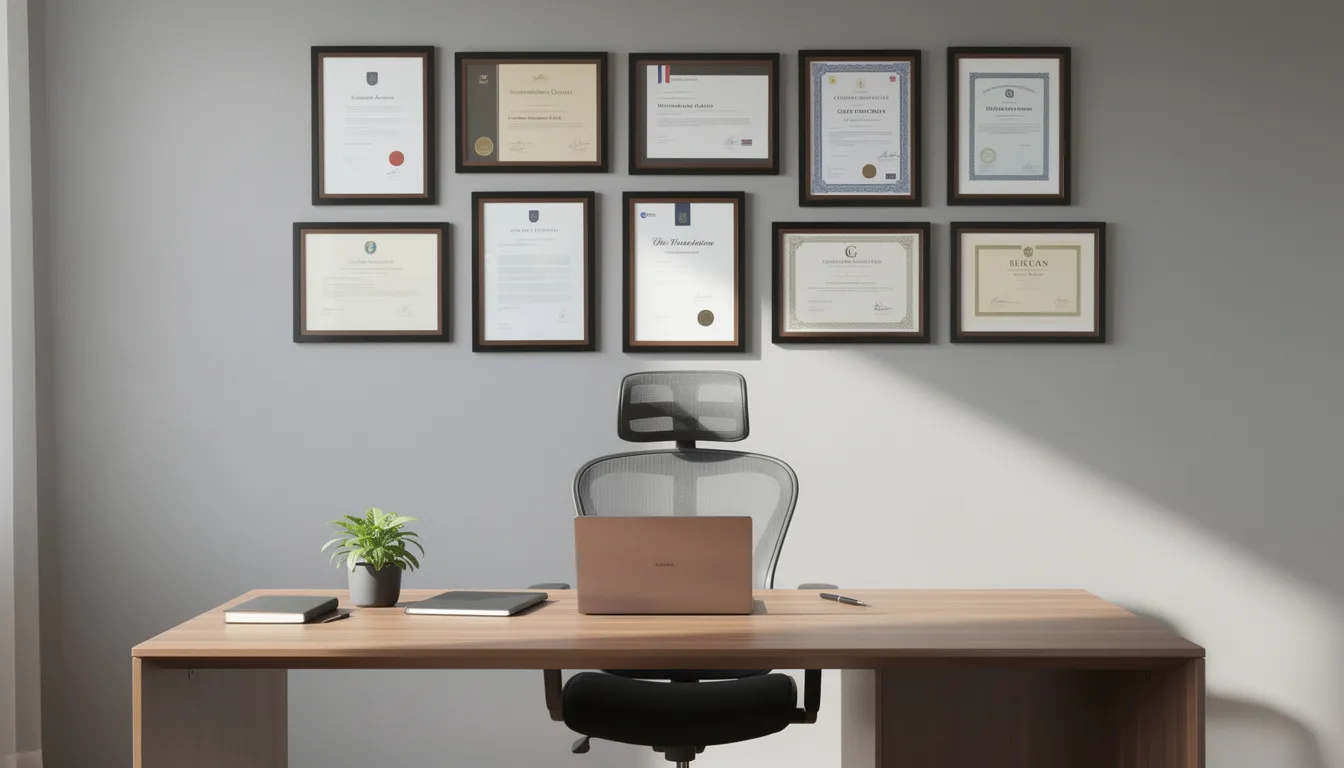
Professionals in consulting, healthcare, or legal fields display credentials in their offices as symbols of qualifications and trust
-
Many graduates prefer to store their original diploma in a safe and use a high-quality display copy on the wall
-
For dual households—perhaps a primary residence and a vacation home—having multiple copies makes practical sense
-
Design fidelity matters: accurate wording, correct graduation date, and proper institution name honor the authentic achievement
-
HeyCongrats.com creates display-ready replacements that respect the original accomplishment without claiming official registry status
Backups, Placeholders, and Special Situations
Sometimes practical needs call for a non-official duplicate that serves a specific purpose.
-
Store the original diploma in a safe deposit box and keep a secondary document for everyday display or transport
-
Use a placeholder while waiting months for an official reissue from a university registrar—especially common for older degrees
-
Expatriates and international students who left their original diploma certificate in another country may need a stand-in for personal records or décor
-
Some clients use replica diplomas for film and theater productions, avoiding risk to authentic documents
-
Business owners sometimes display replicas in satellite offices while the original remains at headquarters
-
The “no misrepresentation” rule applies absolutely: these items must never be presented as valid proof to licensing boards, immigration offices, or employers conducting verification
Replacement Diploma Companies vs. Diploma Mills: Understanding the Crucial Difference
It’s important to distinguish between replacement diploma companies and diploma mills, as these two operate in fundamentally different ways and serve very different purposes. Diploma mills often offer fake college degrees and high school diplomas that have no academic value and are not recognized by legitimate institutions. Many universities incorporate security features such as watermarks and embossed seals into their diplomas to prevent counterfeiting and ensure document authenticity.
Replacement Diploma Companies
Replacement diploma companies specialize in creating high-quality duplicates, replacement diplomas, and display copies for individuals who have legitimately earned their degrees but need an extra copy. These companies provide diplomas and transcripts that mirror the original credential's design and details, including accurate school names, graduation dates, and degree titles. Their products are intended strictly for personal use, such as home or office display, backups, or placeholders while waiting for official reissues.
Key characteristics of replacement diploma companies include:
-
They do not issue new academic credentials or confer degrees.
-
Their diplomas are replicas of legitimately earned documents.
-
They clearly market their products as non-official and not for use in employment, licensure, or academic verification.
-
They help graduates replace lost or damaged diplomas without encouraging fraud or misrepresentation.
Diploma Mills
In stark contrast, diploma mills are fraudulent operations that sell counterfeit degrees, diplomas, and transcripts with no academic rigor or legitimate accreditation behind them. These entities often promise quick degrees based on little or no coursework, sometimes claiming “life experience” as credit. Diploma mills actively encourage misrepresentation by marketing their fake credentials as valid qualifications for jobs, promotions, or professional licensing.
Key characteristics of diploma mills include:
-
They issue fake degrees that have no educational value or recognition.
-
They often operate illegally or in regulatory gray areas.
-
Their credentials are intended to deceive employers, licensing boards, and educational institutions.
-
Purchasing from diploma mills can result in serious legal consequences and damage to personal and professional reputation.
Why the Distinction Matters
Confusing these two can lead to misunderstandings about legality and ethics. Replacement diploma companies provide a legitimate service that respects academic integrity by replicating earned credentials for personal use only. Diploma mills undermine academic standards and promote fraud.
When considering obtaining a diploma replica, always ensure you are working with a reputable replacement diploma provider who emphasizes transparency and ethical use. Avoid diploma mills at all costs to protect yourself from legal risks and reputational harm.
Issuing Institution Verification: The Gold Standard for Authenticity
When it comes to confirming the legitimacy of a diploma, nothing beats direct verification with the issuing institution. Educational institutions maintain comprehensive records of all graduates and the academic credentials they have awarded. By contacting the registrar’s office or records department, employers and academic institutions can confirm whether a diploma was genuinely issued to the individual in question.
This process is especially effective at detecting fake diplomas, as counterfeiters cannot replicate the official records held by the institution. Many schools now enhance their official transcripts and diplomas with advanced security features—such as holograms, microtext, and color-shifting inks—that are difficult to forge. These measures, combined with institution-based verification, provide a robust defense against fraudulent documents.
For employers and admissions teams, prioritizing issuing institution verification ensures that the diplomas presented by applicants are authentic and that only those with legitimate academic credentials move forward in the process. This gold standard approach protects the integrity of your organization and upholds the value of genuine academic achievements.
Preventing Fake Diplomas: What Schools and Employers Can Do
Preventing the spread and use of fake diplomas requires a proactive approach from both educational institutions and employers. Schools can lead the way by incorporating tamper proof digital certificates and other advanced security features into their official transcripts and diplomas, making it much harder for counterfeiters to succeed. These technological innovations—such as secure web-based verification platforms—allow for quick and reliable confirmation of academic credentials.
Employers play a crucial role by conducting thorough background checks during the hiring process. This includes verifying academic backgrounds through trusted sources like the National Student Clearinghouse or by contacting the issuing institution directly. By insisting on official transcripts and real diplomas, employers can effectively weed out counterfeit degrees and ensure that only qualified candidates are considered.
Raising awareness about the dangers and consequences of using fake diplomas is equally important. Both schools and employers should promote academic integrity and educate students and job applicants about the value of legitimate credentials. By working together and leveraging many technological innovations, institutions and employers can help maintain the credibility of academic achievements and protect against the risks posed by counterfeit degrees.
Digital Age Solutions: Authenticating Real Diplomas in 2024 and Beyond
The same technology that enables sophisticated counterfeits is also creating robust solutions for protecting authenticity.
-
Secure PDFs with embedded verification links allow employers to confirm credentials with a single click
-
Portal-based degree verification systems let authorized parties check graduation records directly against institutional databases
-
Blockchain-backed credentials, pioneered by some universities since around 2017–2018, create tamper-proof digital records that help ensure authenticity of official diplomas, including high school diplomas, by making it much harder to falsify or alter academic qualifications
-
Digital badges issued through platforms like Credly or Accredible provide verifiable micro-credentials for specific certifications
-
Unique URLs tied to individual graduates enable instant confirmation of degree details
-
For HR teams, integrating these verification tools into onboarding can reduce manual checking time from weeks to hours
-
Despite advanced technology, clear policies and human judgment remain essential—fake screenshots and edited PDFs still circulate
-
Organizations adopting digital credentials report higher confidence in candidate qualifications and faster hiring cycles
Best Practices for Employers and Institutions
Preventing degree misrepresentation requires systematic policies, not ad hoc decisions.
-
Formalize a written credential verification policy specifying which roles require checks and which documents are needed
-
Train HR teams to recognize common forgery signs: flat seals, inconsistent fonts, generic institutional names, and suspicious accreditation claims
-
Use official databases and institutional contact information rather than details provided by candidates
-
Schools should adopt secure digital credentials, watermarking, and clear public guidance on how third parties can verify degrees
-
Maintain a log of verification attempts and outcomes to identify patterns, such as repeated suspicious diplomas from the same unaccredited “university”
-
Consider requiring notarized copies or apostilles for international credentials where research indicates higher misrepresentation rates
-
Update verification procedures annually to account for new counterfeit techniques and available technology
-
Partner with accredited verification services that maintain current institutional contact databases
Where a High-Quality Replica Fits In – And How HeyCongrats.com Helps
This article does not encourage misrepresentation. Instead, it shows where a carefully labeled replica or replacement diploma is appropriate and ethical—and where HeyCongrats.com fits into that picture.
HeyCongrats.com specializes in high-quality replacement, duplicate, and display diplomas that represent real achievements. These are not documents for misrepresentation, licensure, immigration, or employment verification. They're created for personal use: celebrating a graduation you actually completed, replacing a document lost to circumstances beyond your control, or displaying a credential in your home or office.
What customers can expect from HeyCongrats.com:
|
Feature |
Description |
|---|---|
|
Design Accuracy |
Layouts that respect original diploma styles and formatting |
|
Customization |
Accurate names, dates, and institution details reflecting your real achievement |
|
Premium Materials |
Quality paper and printing suitable for framing |
|
Ethical Positioning |
Clearly marketed as replacement, duplicate, or display pieces—never for official use |
|
Fast Turnaround |
Quicker delivery than waiting months for official university reissues |
|
For official records, transcripts needed for professional licensing, or documents required by immigration authorities, contact your original institution. HeyCongrats.com serves a different—and legitimate—purpose: giving graduates a beautiful, display-ready tribute to their hard work. |
|
|
Protecting academic integrity and recognizing legitimate personal needs aren't mutually exclusive. If you've truly earned your degree and need a high-quality display copy, a backup for peace of mind, or a replacement for a lost original, HeyCongrats.com offers customized solutions that honor your achievement. |
|
Frequently Asked Questions
How can I detect fake diplomas over real or replacement diplomas and can they be used in a job setting?
-
Fake diplomas often exhibit poor print quality, such as blurry graphics and low-quality paper.
-
Common red flags of fake diplomas include spelling mistakes, inconsistent fonts, and poor text alignment.
-
Modern forgery techniques allow a phony diploma to look indistinguishable from the original to the untrained eye.
-
Legitimate diplomas are official documents issued by accredited institutions after completing rigorous academic requirements.
-
Legitimate degrees require months or years of study, while fake degrees can be obtained in days or weeks based on life experience.
-
33% of job applicants would often or always award themselves a fake diploma.
-
33% of employers do not verify the diplomas presented by applicants.
-
Only 25% of recruiters request the original diplomas or ask to see the real academic transcript.
-
Calling a former employer is becoming an essential step in the recruitment process.
-
Using a fake diploma to apply for jobs that require a real degree is strictly off-limits and illegal.
-
Many people use a college diploma maker for a variety of reasons, but its use is limited by law.
-
Finding out about the applicant's real diplomas and experience is a necessary step for the recruiter.
-
All research conducted by recruiters to verify diplomas must be directly related to the job being considered.
What is actual Diploma verification like?
-
The U.S. Department of Education provides a Database of Accredited Postsecondary Institutions for verifying school accreditation.
-
The verification process for diplomas is legally regulated, requiring applicants to be informed and give consent.
-
Many technological innovations have been introduced to make it easier to review and verify credentials.
-
The verification process for diplomas is legally regulated, requiring applicants to be informed and give consent.
Can you really get diplomas in the block chain platform?
-
BCdiploma offers the issuance of tamper-proof digital certificates based on blockchain technology.
-
Blockchain technology provides a 100% online, tamper-proof diploma and micro credentials dematerialization service.
-
The use of blockchain technology allows for multilingual access to diplomas, degrees, transcripts, or certifications.
What are legal implications of misrepresentation using a diploma?
-
Using a fake diploma in Florida with intent to defraud is classified as a first-degree misdemeanor.
-
In Texas, using a fake degree for a job can be a Class B misdemeanor, punishable by up to 180 days in jail and a $2,000 fine.
-
Employers often verify credentials through services like the National Student Clearinghouse, leading to immediate termination if discrepancies are found.
So what services are there for creating a fake or replacement diploma?
-
Purchasing diplomas from diploma mills can cost hundreds or thousands of dollars and ultimately hold no value. Not recommended.
-
Same Day Diplomas provides high-quality replacement and replica diplomas and transcripts for novelty, display, and commemorative purposes since 2001.
-
Digital fake diplomas are available to download instantly, and PDF copies are sent to your inbox.
-
High-quality paper and printing techniques are used to ensure that the diplomas have an authentic look and feel.
-
You can choose from budget-friendly standard designs or upgrade to a 'Match Replica' option, which closely matches the original layout, wording, and fonts.
-
Hey Congrats is the best of the best at making replacement and duplicate diplomas for personal use.
Ready to celebrate what you've earned?
Visit HeyCongrats.com today to explore replacement, duplicate, and display diploma options crafted with care and quality. Don't wait—secure your personalized replica diploma now and proudly showcase your hard-earned achievement!
Order Your Replica Diploma Now
Experience fast turnaround, premium materials, and expert customization designed just for you.


